
MultiPoD reaches its midpoint: the consortium meets in Lisbon to review progress and look ahead
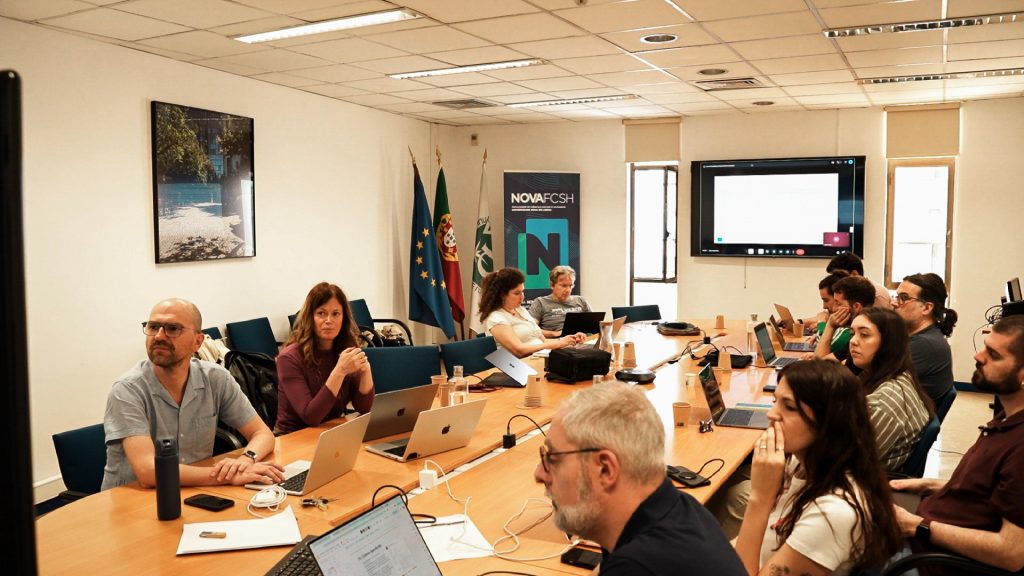
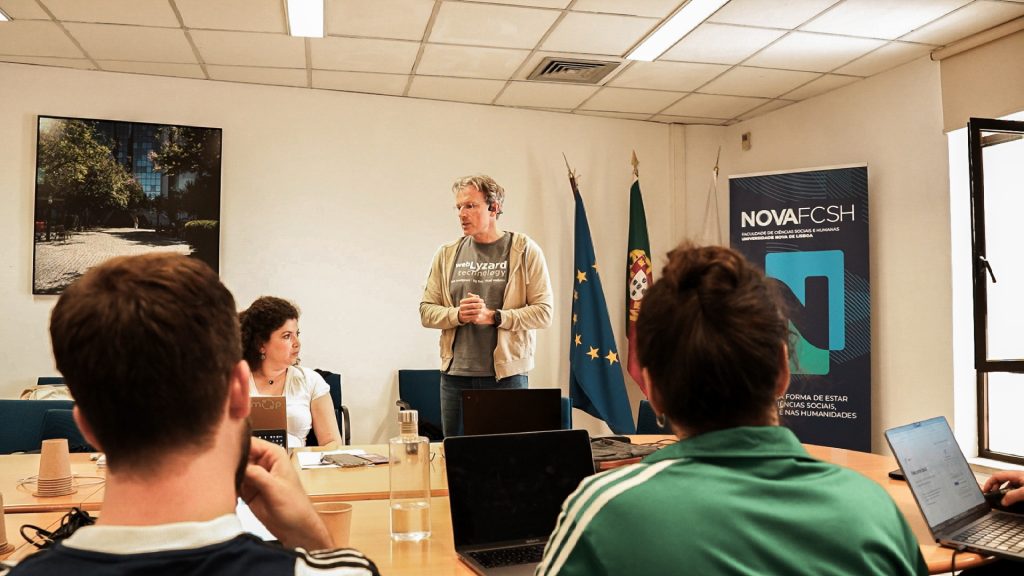
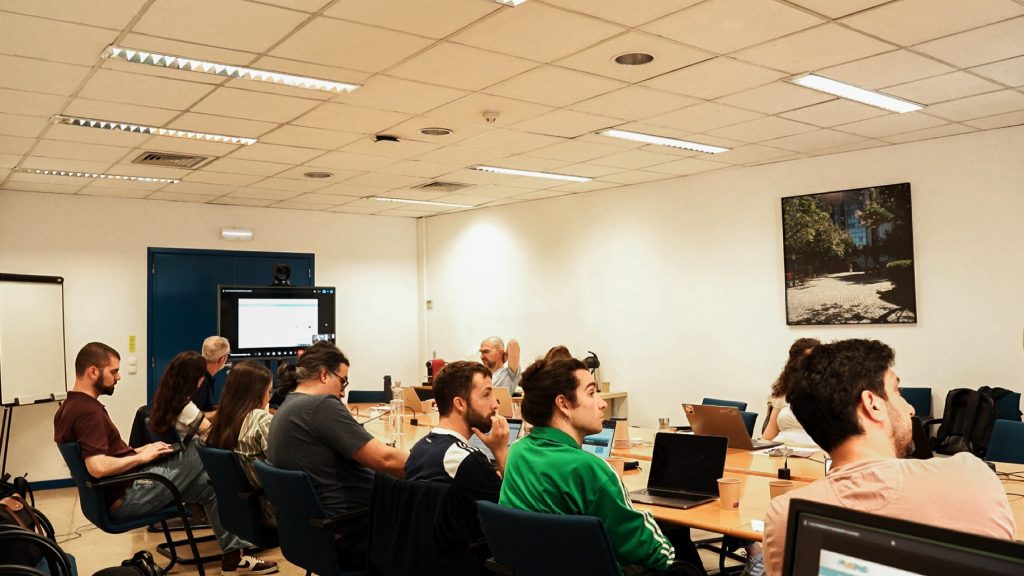
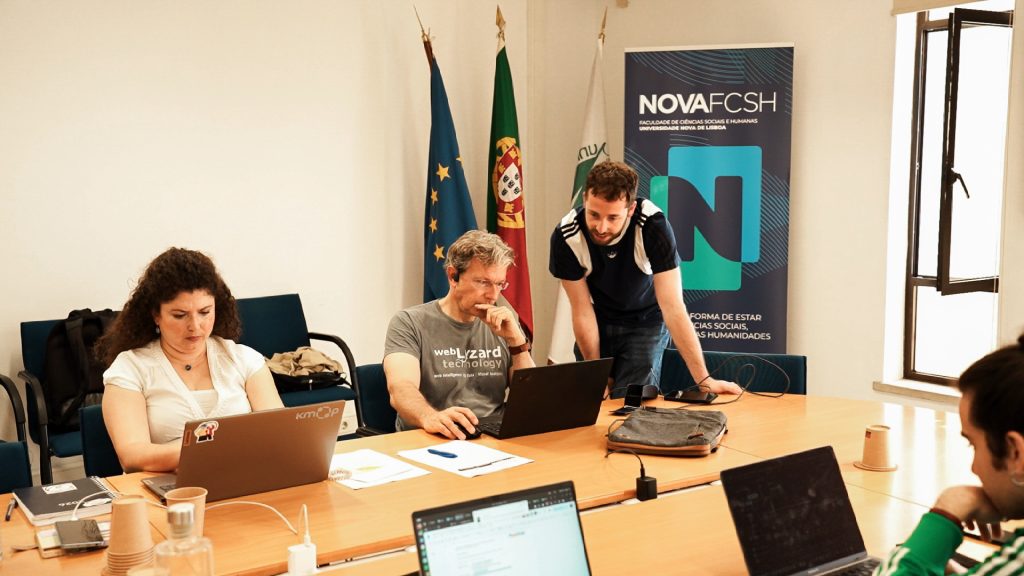
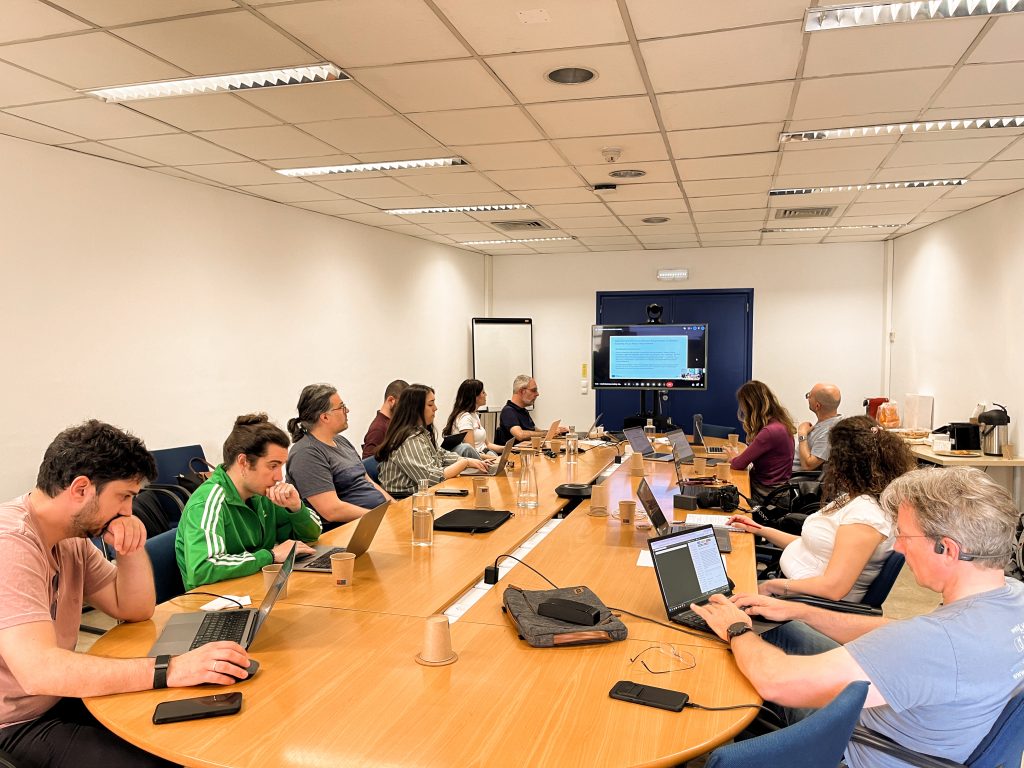
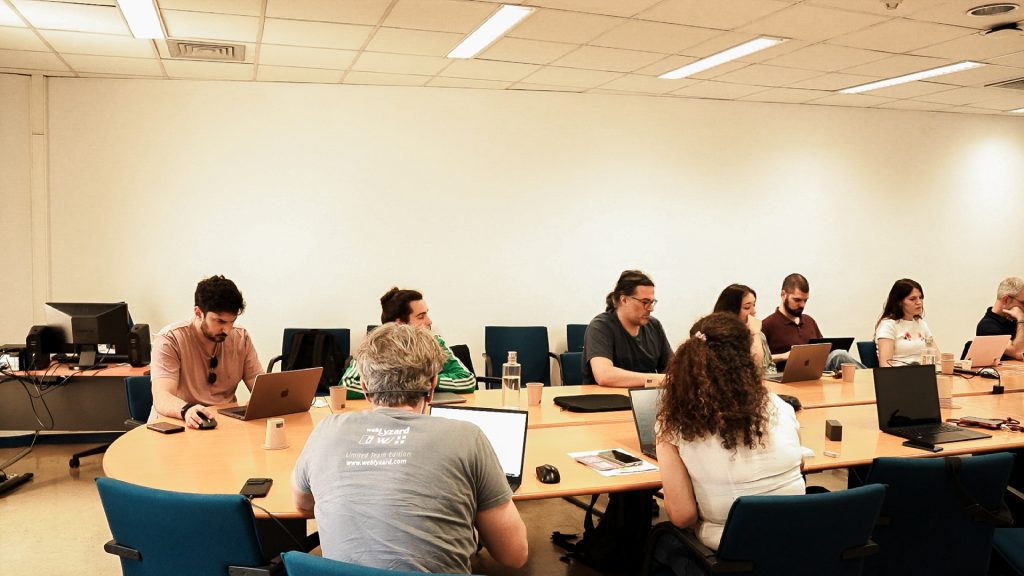
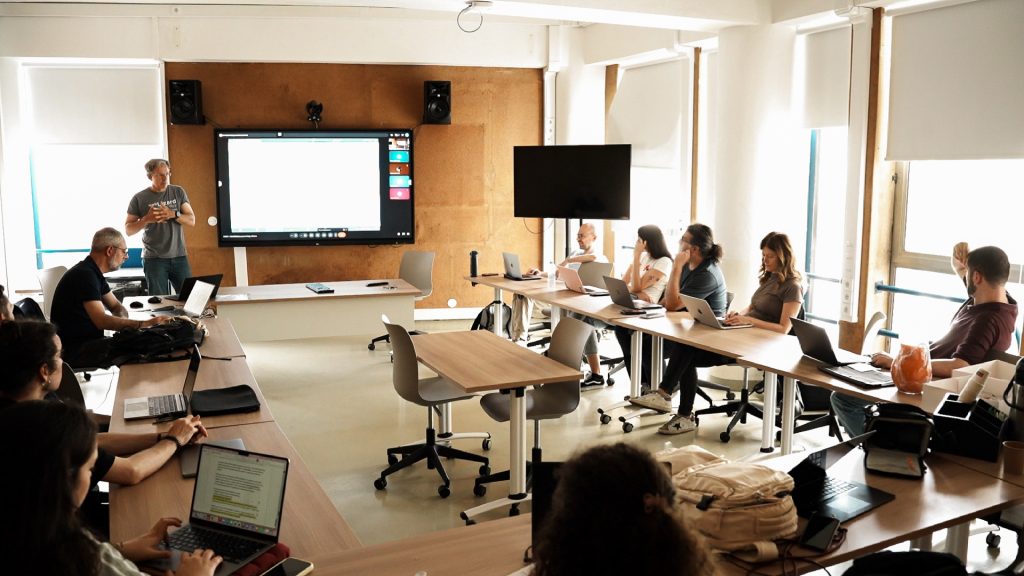
At the end of May 2026, the MultiPoD consortium met in Lisbon for its fourth consortium meeting, hosted by the Faculty of Social and Human Sciences of NOVA University Lisbon (FCSH-UNL). The meeting marked the midpoint of the project and brought the full consortium together to review progress and align on the second phase. These days covered a wide range of disscussions from new research on how language shapes democratic participation, to the first pilots with real citizens in Lisbon and online, and the tools being built to support cross-cultural deliberation. But what is MultiPoD really working on? Let’s take a closer look.
Does language affect how we participate in democracy?
One of the central questions driving MultiPoD is whether the language in which citizens access political information shapes how they engage with it. The research carried out by Ethos Lab over the past 18 months suggests it does and in more than one way.
A cross-country study involving participants from seven EU countries found that reading political content in a non-native language reduced factual comprehension and increased cognitive effort, while also reducing political bias, a nuanced result that reflects the complexity of language effects on political reasoning. A separate study using data from 18 democracies found that bilingual citizens tend to switch their vote more frequently than monolingual ones, a pattern linked to exposure to a broader range of political narratives and to weaker partisan attachment. A third study, focused on the United Kingdom, found that living in more linguistically diverse neighbourhoods is associated with lower political interest and turnout. A fourth, drawing on Canadian data, offered a more nuanced picture: in some contexts, switching between languages can also reduce political bias.
Taken together, these studies point to language not just as a vehicle for information, but as a factor that shapes who feels able and inclined to engage in political life. These findings are directly informing how the project designs its deliberative processes and tools.
Building tools for multilingual deliberation
A systematic review of 47 research papers and 17 existing deliberation platforms reached a clear conclusion: no platform currently on the market adequately combines cultural inclusion with deliberation quality, and this is the gap that MultiPoD is working to close.
The review also produced six design principles for multicultural deliberation, addressing inclusivity, cultural sensitivity, deliberation quality, transparency, open architecture, and developer responsibility, which now guide the development of the MultiPoD tool suite, which brings together four components:
- Decidim serves as the central participatory platform, hosting knowledge bases, proposals, and voting.
- The webLyzard Visual Analytics Dashboard provides multilingual content analysis across ten languages, allowing facilitators and researchers to monitor how topics are discussed across different linguistic contexts.
- Democratic Reflection captures time-stamped audience reactions during live or recorded events, allowing participants to engage moment by moment with what is being said.
- The Storypact Editor allows hosts and moderators to turn raw deliberation outputs into clear, shareable content: session summaries, policy briefs, follow-up communications.
Using AI to bridge cultural gaps
Alongside the deliberation tools, MultiPoD is currently developing an AI model designed specifically for cross-cultural political communication, which will be trained to identify those elements in a text that may create misunderstanding across cultural contexts, including bias, stereotyping, framing, value mismatches and cultural drift, and to subsequently suggest alternative formulations.
The intention is not to filter or moderate content, but to support communicators in noticing gaps that are easy to overlook. The evaluation across five languages is currently in progress and will be integrated into the platform in the second phase of the project.
Citizens deliberations: the first pilots
The first phase of the project gave rise to two pilot activities, each of them bringing MultiPoD’s ideas into direct contact with real participants.
Between November and December 2025, six in-person Deliberative Focus Groups took place in Lisbon, where 32 participants from 20 different countries — Angola, Brazil, Cape Verde, China, Colombia, Costa Rica, Cuba, France, Italy, Mexico, Nigeria, Peru, Portugal, Russia, Spain, East Timor, Tunisia, Turkey, Ukraine, and Uruguay — deliberated in Portuguese on three policy proposals concerning the future of the Lisbon airport site. The pilot usedthe Democratic Reflection tool for real-time feedback and produced interesting recordings that are currently being analysed to study how culturally diverse groups argue and reach conclusions together.
On 12 November 2025, MultiPoD ran its first Virtual Citizen Assembly on the topic of housing in Europe. The dialogue brought 108 participants from 8 countries to deliberate through the Decidim platform, moving through four phases: information and welcome, learning, deliberation, and prioritisation. As a result, the assembly produced a total of 23 policy proposals, from which participants selected the top-five priorities through a structured vote. The assembly not just exceeded its participation target but offered the consortium concrete lessons for the assemblies ahead, including the need for more deliberation time and stronger multilingual support.

Looking ahead
On the horizon, the second phase of MultiPoD will turn 18 months of research into living practice, testing and applying its tools among new participants, in new cities, deliberating on issues that truly matter to them. The work now shifts from gathering evidence to understanding the difference it really makes. And beyond the consortium, the project begins sharing what it has learned with the people and institutions that can carry it forward, across the wider democratic ecosystem in Europe that this project was always meant to serve.
About MultiPoD
The EU-funded MultiPoD project is led by webLyzard technology (Austria), together with Universidade Nova de Lisboa (Portugal), the Centre for Governance and Sustainability Studies – Ethos Lab PC (Greece), The Open University (United Kingdom), Associació de Software Lliure Decidim (Spain), Storypact GmbH (Austria), Kentro Merimnas Oikogeneias Kai Paidiou – KMOP (Greece), and the European think tank Re-Imagine Europa (Belgium). The MultiPoD consortium is working towards more meaningful, diverse and accessible democratic participation across Europe.